
Loading...
Serving Danville, IL and surrounding areas. (217) 444-0284
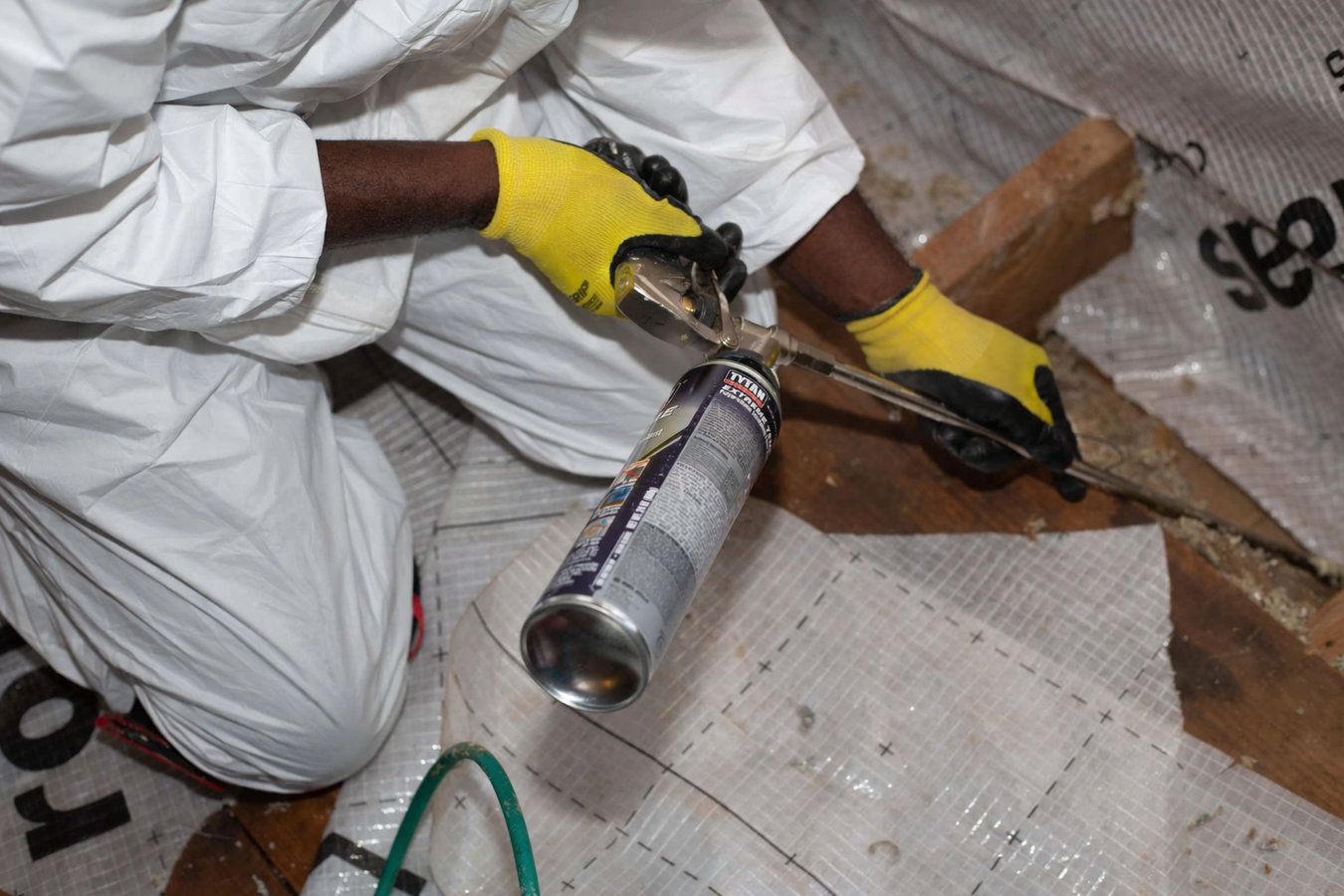
If your Danville home was built before 1980, heat is almost certainly escaping through unsealed gaps in your attic ceiling right now. Attic air sealing closes those pathways so the heat you pay for stays where you need it.
Attic air sealing in Danville means a contractor enters your attic and systematically seals every gap in the ceiling plane - around light fixtures, plumbing pipes, wall framing, and wiring runs - using foam, caulk, and rigid materials so conditioned air cannot escape into the attic. Most homes are completed in one to two days, and you do not need to leave while the work is happening.
Attic air sealing is different from adding insulation, though the two work best together. Insulation slows heat from moving through solid surfaces; air sealing stops air from flowing through gaps. Many Danville homes have had insulation added over the years but were never properly sealed first - which is why those homes still feel drafty and expensive to heat. Sealing first, then insulating on top, is what actually produces the improvement most homeowners are hoping for when they make an energy efficiency upgrade.
Attic air sealing is a natural companion to retrofit insulation for older homes, and pairs directly with whole-home air sealing services for homeowners who want to address leakage throughout the entire building envelope, not just the attic floor.
If your gas or electric bill climbs sharply in the coldest months - more than you would expect from simply running the heat - conditioned air is likely escaping through the attic. Danville winters regularly drop into single-digit temperatures, and a leaky ceiling ceiling makes your furnace run almost constantly to keep up. This is one of the most consistent patterns contractors see in Danville homes.
If bedrooms at the end of a hallway, or any rooms directly under the roofline, stay cold no matter how high you set the thermostat, air leakage above those rooms is a likely cause. Heat rises and escapes through ceiling gaps faster in those areas, leaving those rooms behind. This is especially common in Danville homes built before the 1970s, where ceiling framing often has large, unsealed gaps around wall tops.
After a Danville snowfall, look at your roof. If snow melts faster in certain spots than others, heat is escaping through the attic unevenly. Ice dams at the roof edge - those thick ridges of ice that form after cold snaps - are a direct result of warm air leaking into the attic and melting snow that refreezes at the cold eaves. Both patterns point to air leakage as a primary cause.
If you own a Danville home built before 1980 and no contractor has ever assessed how leaky the house is, there is a strong chance the attic has significant unsealed gaps. Homes from that era were built without any air sealing practices - that simply was not part of how houses were constructed. The age of the home alone is a reasonable reason to have a contractor take a look, without waiting for a symptom to appear.
We seal attics by working systematically across the entire ceiling floor, addressing every gap around pipes, light fixtures, wiring, attic hatches, and the tops of interior walls. We use single-component foam for smaller openings and two-component spray foam or rigid materials for larger gaps - the right material for the right size opening is what makes a seal last. Our work in older Danville homes often turns up gaps in places homeowners did not expect: the tops of interior walls, around recessed lights, and at ceiling framing intersections are some of the most common leak points we find.
For homeowners who want to address the full picture, we often pair attic air sealing with retrofit insulation and whole-home air sealing services in a single project. Sealing the attic and then adding insulation on top - or addressing air leakage at both the attic and the crawl space in one scope of work - produces the most complete improvement in energy efficiency and comfort.
Best suited for homes where the attic is the primary leakage point - a thorough seal of all ceiling penetrations and framing gaps with no other scope added.
For homes that need both services - air sealing completed first, then blown-in or batt insulation added on top in the same project window so nothing is left on the table.
For homes where the attic access point is a major source of air leakage - a common problem in older Danville homes where hatches were never insulated or weatherstripped.
For homeowners who want to address attic, crawl space, and rim joist leakage in one coordinated scope - the most comprehensive approach to reducing energy loss across the whole house.
Danville sits in east-central Illinois and regularly sees winter temperatures drop into single digits. That kind of cold puts enormous pressure on a leaky attic - heat pours out through ceiling gaps, your furnace runs almost constantly, and your bills climb fast. Danville homeowners feel the impact of a leaky attic ceiling more sharply than people in milder climates, which is why attic air sealing tends to pay for itself faster here. Adding to that, a large share of Danville homes were built before the 1980s - well before air sealing was part of construction practice at all. Many of those homes have never had this work done, meaning decades of heat loss and energy bills that did not have to be that high. Homeowners in Tilton and Westville - where the housing stock has similar age characteristics - consistently see the most dramatic results from this work because the starting baseline is so low.
Danville is in Ameren Illinois service territory, and Ameren offers rebates for qualifying air sealing and insulation work through their energy efficiency programs. Federal tax credits are also available for this type of improvement. That combination can meaningfully reduce what you pay out of pocket, and a knowledgeable local contractor will know how to help you document the work properly for both programs. The humid summers here add another dimension - a well-sealed attic also prevents warm, moist summer air from infiltrating the living space, which reduces the load on your air conditioner and makes the whole house more comfortable in July and August.
Reach out by phone or through our contact form and we will respond within one business day. We will ask your address, your home age, and whether you have noticed specific problems. You do not need to know anything technical - just describe what you have been experiencing and we will handle the rest.
A contractor visits your home, enters the attic, and identifies the main sources of air leakage - pipes, fixtures, framing gaps, and the attic hatch. Some contractors use a blower door test at this stage, which measures how leaky your home is overall and gives you a baseline number to compare against after the work is done.
You receive a written quote explaining the proposed work, materials, and total cost - including any Ameren Illinois rebates or federal tax credits that apply. Take your time reviewing it. There is no pressure to sign on the spot, and a good contractor will answer every question you have before you commit.
The crew works in the attic - not in your living space - and you can stay home throughout. When finished, they will walk you through what was sealed and why, and give you any documentation needed for rebate and tax credit claims. If a blower door test was run before, it is run again so you can see the measurable improvement.
No pressure, no commitment. We will assess your Danville home, explain what we find, and give you a written quote that includes any Ameren Illinois rebates you qualify for.
(217) 444-0284Many contractors skip the sealing step and go straight to blowing in insulation. We perform the sealing work first, then layer insulation on top when it is part of the scope - because that is the sequence that actually works. Homeowners who have had insulation added before without sealing first notice a real difference when the job is done right.
Older Danville homes - the two-story brick homes near downtown, the postwar ranches on the outer streets - have specific construction patterns that create predictable air leakage points. We know where to look in these homes and what materials hold up in Illinois's climate, because we have done this work here, not somewhere else.
Danville is in Ameren Illinois territory, and we are familiar with their energy efficiency rebate requirements. We can help you understand whether your project qualifies and what documentation you need to keep. Many homeowners leave rebate money on the table simply because no one walked them through the process - we do not let that happen. Learn about Ameren Illinois programs.
We walk you through what we sealed, and contractors who run blower door testing can show you the before-and-after numbers that prove the job made a difference. You also leave with documentation for any rebate or tax credit claims. You should not have to take a contractor's word for it - the work should be verifiable. Learn about blower door testing.
Danville homeowners deal with some of the most demanding heating conditions in Illinois, and older homes here were not built to handle them efficiently. We bring the knowledge of local construction patterns and the right materials for this climate together in one straightforward service.
Add insulation to your existing attic, walls, or crawl space without major renovation - ideal for Danville homes built before 1980 that were never properly insulated.
Learn MoreWhole-home air sealing that addresses leakage points beyond just the attic - including rim joists, crawl spaces, and band joists for a complete building envelope improvement.
Learn MoreDanville temperatures drop fast - lock in your appointment now and start saving on heating costs this season before our schedule fills up.