
Loading...
Serving Danville, IL and surrounding areas. (217) 444-0284
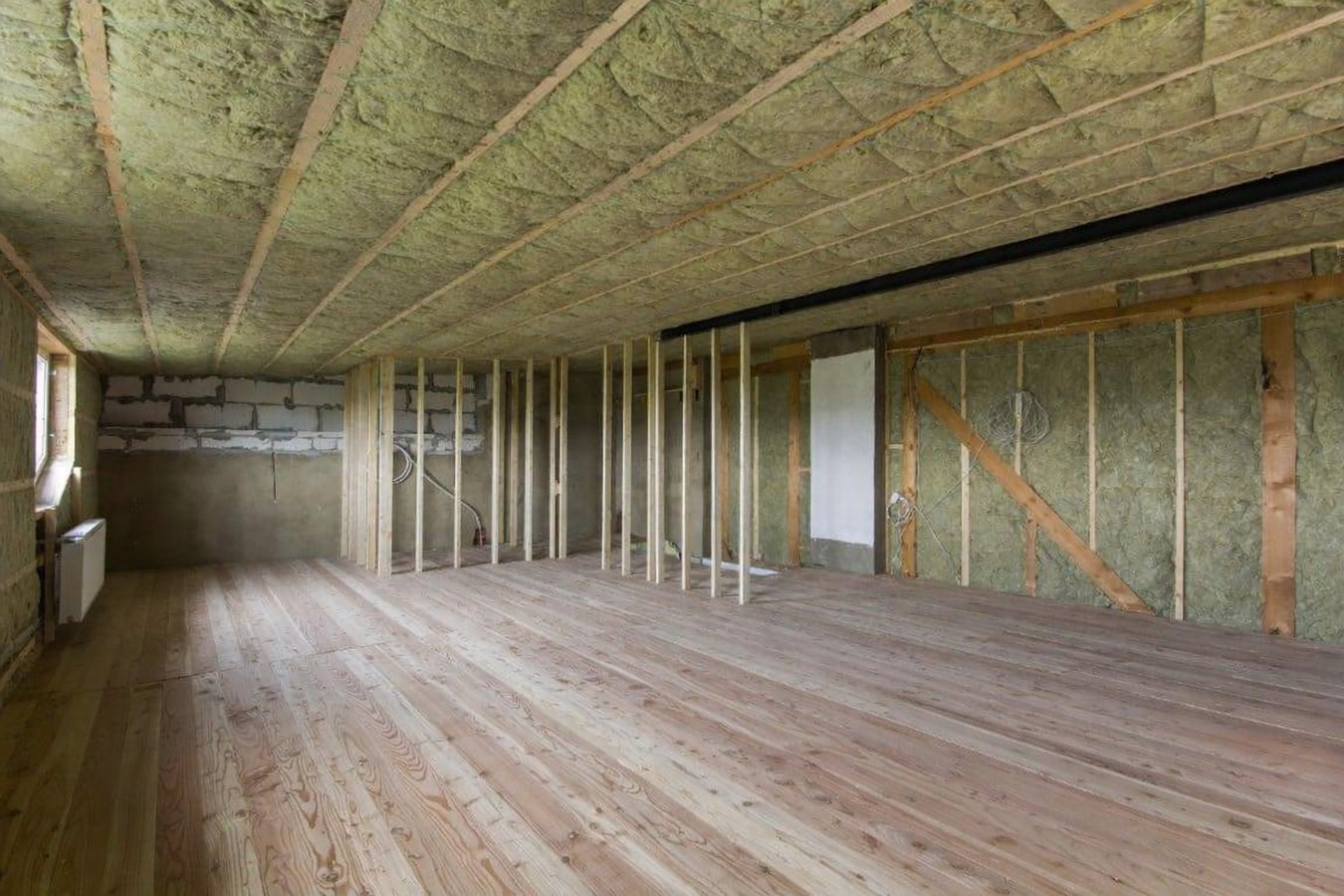
Cold floors and climbing heating bills are often a basement insulation problem. We assess your foundation, choose the right material, and install it correctly so your home holds heat from the ground up.
Basement insulation in Danville, IL slows the movement of heat between your living space and the cold ground surrounding your foundation, and most jobs for an average-sized home are completed in one to two days with you staying in place throughout.
If you have spent winters stepping onto cold floors every morning, an uninsulated or under-insulated basement is the most likely cause. In Danville, where the heating season runs from October through April, that lost heat adds up on your Ameren bill month after month. Pairing basement insulation with crawl space insulation addresses the full lower envelope of your home in one coordinated project.
The U.S. Department of Energy estimates that properly insulating and air-sealing a basement can reduce heating and cooling costs by 10 to 20 percent annually. For Danville homeowners in older homes that were never built with today's standards in mind, that improvement is often noticeable in the first full heating season after installation.
If the floors on your main level feel cold underfoot from November through March, heat is escaping through an uninsulated or under-insulated basement ceiling. In Danville's climate, where temperatures stay below freezing for weeks at a time, cold floors are one of the clearest signs that your basement is not doing its job.
If your gas or electric bill has gone up over the past few winters and nothing obvious has changed, heat loss through the basement is a likely culprit. Danville homeowners in older homes especially see this pattern, because the original construction did not account for the insulation levels we now know are needed.
Walk your basement perimeter and look where the foundation wall meets the wood framing above it. If you can see light coming through, feel cold air moving, or spot obvious gaps around pipes and beams, those openings are letting cold air in and warm air out all winter long. This is especially common in Danville homes built before 1960.
White chalky deposits on your foundation walls, rust stains, or a persistent damp smell are signs that moisture is moving through your foundation. Danville's clay-heavy soil holds water against your foundation after rain and snowmelt, which makes this a common issue here. Address the moisture source before insulating - but seeing these signs means it is time to have someone take a look.
We insulate both foundation walls and basement ceilings depending on how you use the space and what outcome you want. For unfinished basements used mainly for storage, insulating the ceiling - the underside of the floor above - is often the most straightforward path to warmer floors. For basements where you want the space itself to feel more comfortable, or where your furnace and water heater need to stay in the heated envelope, foundation wall insulation is the right approach. We use spray foam, rigid foam board, and batt insulation depending on the surface condition, moisture risk, and budget. When there are gaps or cracks around pipes, beams, and rim joists, we seal those before any insulation goes in - because skipping that prep step is the most common reason insulation jobs underperform in older Danville homes.
For homes where the basement and crawl space connect, we often recommend addressing both in one project. Our closed-cell foam insulation option is a strong fit for rim joists and any area with moisture exposure, since the foam seals air gaps and resists moisture in a single step. For crawl space areas adjacent to the basement, our crawl space insulation service addresses those surfaces separately with the right material for that environment.
Best for homeowners who want the basement itself to stay warm, or who have mechanicals like a furnace or water heater that should remain in the heated envelope.
Ideal for unfinished basements used for storage - keeps heat in the living space above without needing to heat the basement itself.
Targets the band of exposed wood just above your foundation, which is one of the most common cold-air entry points in Danville's older homes.
Used around pipes, wires, and any opening in the foundation before other insulation goes in, so you seal the leaks before covering them.
Danville sits in east-central Illinois where winter temperatures regularly drop into the single digits and the heating season stretches nearly six months. A large share of homes here were built before 1970 - foundations designed with no insulation in mind, with uneven surfaces, gaps around pipes and beams, and wood that has been absorbing decades of moisture fluctuation. That combination means most older Danville basements are significant sources of heat loss and cold-air entry, and the homes most in need of this work are often the ones where the improvement is most noticeable. Homeowners in neighborhoods around Westville and Tilton deal with the same clay-heavy soil and older construction that makes Danville basement moisture a recurring problem - not something to insulate over, but something to assess first.
Vermilion County's soil holds water rather than draining it away from your foundation. After heavy rain or spring snowmelt, that moisture pushes against basement walls and can seep through if the foundation is not in good shape. Any contractor working in Danville should assess your foundation for moisture intrusion before installing insulation - and Ameren Illinois offers energy efficiency rebates for qualifying home insulation improvements, which can reduce your out-of-pocket cost and shorten the payback period.
We respond within one business day to schedule a free estimate visit. Be ready to describe your basement - finished or unfinished, any moisture history, and the problem you want to solve.
We walk your basement and check for moisture, gaps, existing insulation condition, and anything that needs to be addressed before insulation goes in. This visit typically takes 30 to 60 minutes.
You receive a written estimate broken down by area and material. We explain your options in plain terms - no pressure to decide on the spot, and no vague line items.
The crew seals gaps first, then installs insulation. Most average Danville basements finish in one day. We walk you through the completed work before we leave so you know exactly what was done.
Free estimate, no obligation. We respond within one business day.
(217) 444-0284We work in Vermilion County's older housing stock every week. That means we recognize what clay soil, decades of moisture exposure, and pre-1970 construction look like before a single piece of insulation goes in - and we know what prep work actually needs to happen first.
Insulating over a damp wall traps the problem inside and creates a much bigger issue down the road. We assess every basement for moisture intrusion during the estimate visit and will tell you honestly if waterproofing or drainage work needs to happen before insulation makes sense.
We know the older basements and foundations common in Danville and Vermilion County, and we document every project so you have a record of the work. That local knowledge and a clear paper trail matter more than a low bid from a crew you cannot verify.
Your quote specifies the area being treated, the material being installed, and the total cost before any work begins. We walk you through the completed job before we leave so you know exactly what was done - and why.
Basement insulation in an older Danville home is not a one-size-fits-all job. The right contractor brings local knowledge, asks questions before quoting, and gives you a clear picture of what needs to happen - and in what order - before work begins. That is how we operate.
Dense, moisture-resistant spray foam that seals air gaps and insulates in one step - well suited for rim joists and any area with moisture exposure.
Learn MoreInsulation for crawl space walls and floors that keeps the area above freezing, protects pipes, and stops cold air from conducting through your subfloor.
Learn MoreDanville winters are long - locking in your installation before cold weather sets in means warmer floors and lower bills this season, not next.