Loading...
Serving Danville, IL and surrounding areas. (217) 444-0284
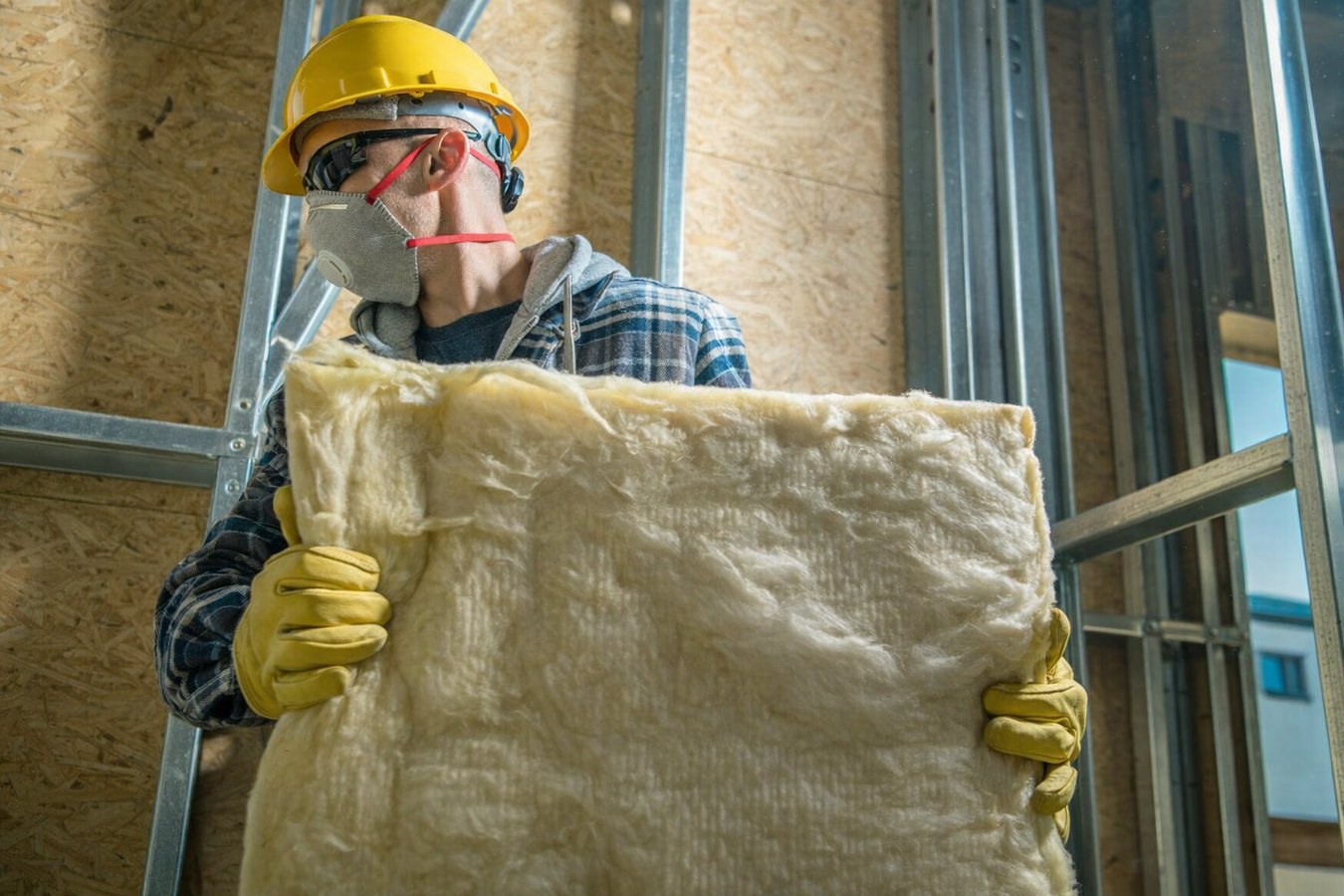
Older commercial buildings in Danville lose heat through walls and ceilings that were never properly insulated. We assess your building, recommend the right material, and install it so your space stays comfortable and your heating bills reflect the difference.
Commercial insulation in Danville, IL slows heat movement through your building's walls, roof, and floors - keeping warm air inside in winter and hot air out in summer - and most straightforward commercial jobs are completed in one to three days with minimal disruption to daily operations.
Danville's commercial building stock includes a significant number of structures built before the 1980s, when energy efficiency was not a priority in construction. Many of these buildings have little or no insulation in their wall cavities, and what insulation exists has often settled, gotten wet, or degraded over decades. The improvement from a proper insulation upgrade in an older building tends to be dramatic and shows up on utility bills quickly. If you also manage moisture concerns at the building perimeter, combining this with crawl space vapor barrier work addresses both heat loss and moisture risk at the same time.
The U.S. Department of Energy estimates that properly insulating and air-sealing a commercial building can cut heating and cooling costs by 10 to 20 percent or more. In Danville, where average January lows drop into the mid-teens Fahrenheit and the heating system runs for months at a time, that adds up to real savings across a full season.
Danville winters are genuinely cold, and a well-insulated building should hold heat without the furnace running constantly. If your energy bills jump sharply during the coldest months - or if you are paying noticeably more than neighboring businesses in similar-sized spaces - inadequate insulation is one of the most likely causes. This is especially common in older Danville commercial buildings that were never upgraded from their original construction.
Walk through your space on a cold January morning before the heat has been running long. If certain walls, corners, or areas near the roofline feel noticeably colder than the center of the room, heat is escaping through those surfaces. In Danville's older commercial buildings, this is often most noticeable along exterior walls that face north or west, where wind exposure is greatest.
If one part of your building is always too hot in summer and another is always too cold in winter, uneven insulation is often the reason. Good insulation creates a consistent thermal barrier across the whole building envelope, so your HVAC system can maintain an even temperature without constantly cycling on and off. Employees and customers notice this more than you might expect.
Danville's humid summers and cold winters create conditions where moisture can work its way into wall cavities. If you see water stains, peeling paint, or condensation on interior surfaces - especially after a stretch of very cold or very humid weather - the insulation inside those walls may have been compromised. Left alone, this leads to mold growth inside the wall cavity where you cannot see it.
Commercial insulation work in Danville typically happens in attic or roof assemblies, exterior wall cavities, and mechanical spaces. The right material depends on the building type, how accessible the areas are, and whether old insulation needs to come out first. For large open spaces like warehouses and storage buildings, blown-in loose fill is often the most cost-effective approach for attics and overhead areas. For buildings where air sealing is also a concern - and in Danville's older stock, it almost always is - spray foam insulation handles both in one application. We offer our spray foam insulation service for commercial applications including wall cavities, roof deck assemblies, and any area where a conventional material would leave gaps.
If your building has a crawl space or basement below the occupied floor, those areas deserve attention alongside the walls and roof. Uninsulated crawl spaces in Danville's older commercial buildings let cold air run under the floor all winter, and damp crawl spaces can drive up humidity inside the building year-round. Addressing the crawl space with a vapor barrier and proper insulation as part of the same project reduces both problems. We walk every commercial building before recommending a scope of work - because the right answer depends on your specific building, not a one-size-fits-all approach.
For commercial buildings where the greatest heat loss is through the roof - warehouses, retail spaces, and flat-roof structures are common candidates in the Danville area.
For older buildings where wall cavities were never insulated or where the original material has degraded - blown-in or spray foam fills around existing framing without full demolition.
For buildings with significant air infiltration around pipes, beams, or structural connections - seals leaks and insulates in one step, which matters most in buildings with a long history of deferred maintenance.
For commercial buildings where existing insulation has been damaged by moisture, contamination, or rodents - old material must come out before new installation performs as expected.
Danville falls in what the federal government classifies as a cold climate zone, which means commercial buildings here need a higher level of insulation than properties in warmer parts of the country. A contractor who installs the minimum required by code may still leave your building underperforming. Danville's commercial district includes a significant number of buildings constructed before modern energy efficiency standards - many with little or no wall cavity insulation, and some where the roof assembly has never been touched since original construction. The gap between what those buildings have and what they need is often the entire reason heating bills are as high as they are. Business owners in Attica, IN and across the Indiana border face the same climate demands and the same older-building challenges as their Danville counterparts.
Ameren Illinois serves most commercial customers in Danville and offers energy efficiency rebate programs for qualifying commercial insulation upgrades. The availability and amount change from year to year, so it is worth asking your contractor about current programs before you finalize the scope of work. Business owners in Covington, IN and surrounding communities may have access to Indiana utility incentive programs - we can point you toward the right starting point. Danville's humidity and freeze-thaw cycles also create ongoing moisture risk inside building envelopes, so any contractor working on your building should pay close attention to vapor management, not just the insulation material itself.
We will ask a few basic questions - the size of your building, what type of space it is, and what problem you are trying to solve. No reputable contractor should give you a firm price over the phone without seeing the space. Most Danville business owners hear back within one business day.
We walk through your building and look at the areas that need insulation - typically the attic or roof assembly, exterior walls, and any mechanical spaces. This visit usually takes 30 to 60 minutes. You receive a written estimate that breaks down the scope, materials, and total cost - not just a single bottom-line number.
Most commercial insulation work happens in attic spaces, above drop ceilings, or in wall cavities - areas that do not interfere with your day-to-day operations. Spray foam areas need to be vacated briefly. The crew protects your floors and equipment from dust or debris and cleans up before leaving each day.
When the work is complete, we walk through the finished areas with you and explain what was done. If a permit was pulled, we coordinate the city inspection and are present for it. Within the first full billing cycle after the work, you should start to see the improvement in your energy costs.
We walk your building, explain what we recommend and why, and give you a written quote with no pressure and no obligation.
(217) 444-0284We check City of Danville Building and Zoning Department requirements for your specific project and pull any required permits before work starts. If a city inspector needs to verify the work, we coordinate the visit and are present - you do not need to manage that process yourself.
Most of the commercial buildings we work on were built before modern energy codes, which means irregular cavities, settled framing, and surprises are normal. That familiarity means we come prepared for what older Danville buildings actually look like on the inside - and we price accordingly so there are no surprises on your invoice.
You will receive a written quote that breaks down the areas being insulated, the materials being used, and what each part of the job costs. No single-number estimates, no verbal-only pricing. If the scope changes once work starts, we tell you before we proceed.
We know the current Ameren Illinois rebate programs for commercial insulation and can help you determine whether your project qualifies before you sign a contract.
Ameren Illinois commercial energy efficiency programsEvery one of these points comes back to the same thing: you should know what was done, why it was done that way, and what it is going to cost before any crew shows up at your building. That is the standard we hold ourselves to on every commercial insulation job in Danville.
Controls moisture entering from below the floor in older Danville commercial and residential buildings, reducing humidity and protecting structural framing.
Learn MoreOpen-cell and closed-cell spray foam for commercial buildings where gaps, irregular cavities, and air leaks make conventional insulation materials a poor fit.
Learn MoreCrews book out quickly once fall hits - call today or submit a request and we will follow up within one business day.